KPO rejected by recipient
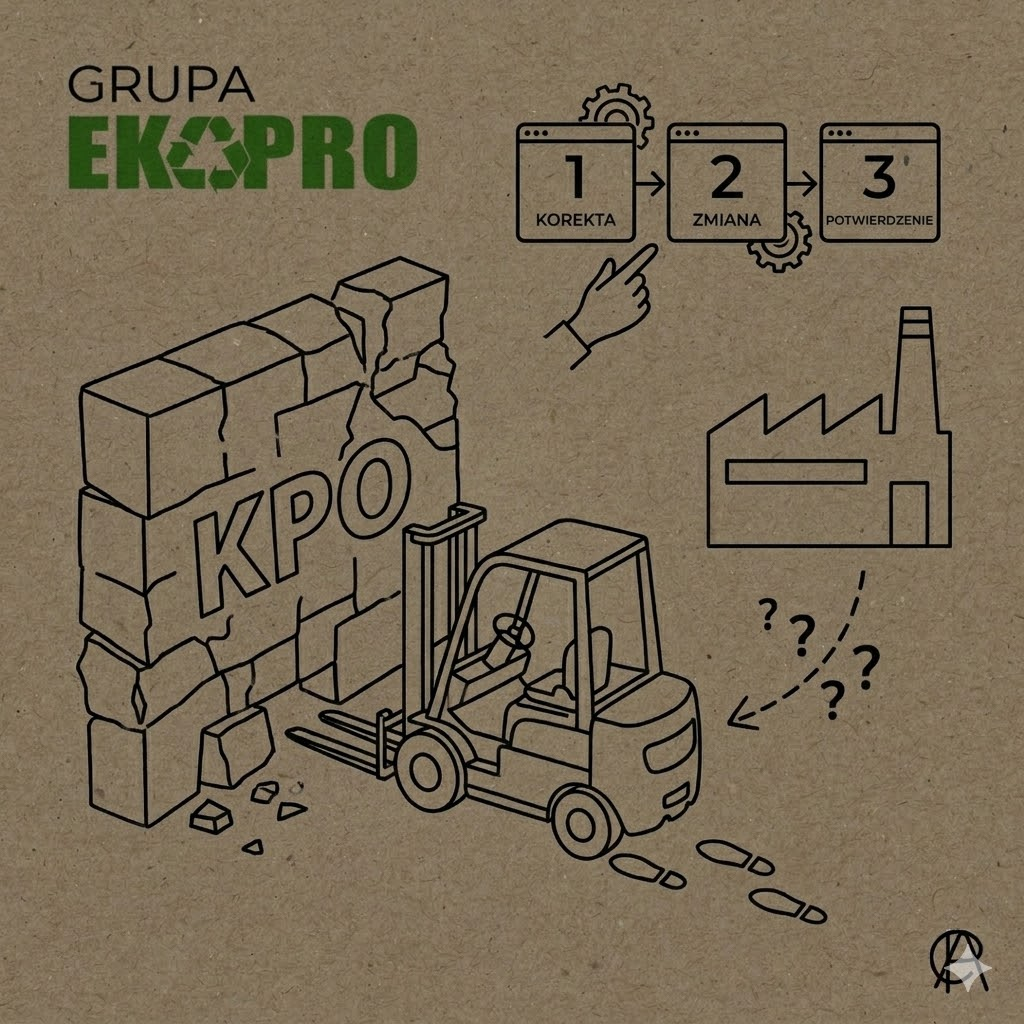
A rejected KPO does not yet mean that the waste transfer is „lost”, but it does mean one thing: the card is not completed correctly and corrective action needs to be taken. In practice, this most often happens when the consignee finds a discrepancy between what has arrived and what has been entered in the system - usually the waste code, waste type or weight. BDO makes it clear that a KPO with a status of „rejected” requires a correction to be made and re-submitted to the transferee. Equally importantly, such a rejected and uncorrected KPO cannot be recorded on the waste record card. This means that ignoring the rejection is the worst possible solution, as the problem will not stop at the card itself, but will move on to record-keeping and reporting.
Step 1: check why the recipient has rejected the NOP
The first thing to do is to establish the exact reason for the rejection. In practice, this will most often be a discrepancy in waste code, waste type or mass. Official responses from the BDO indicate that if the transferee considers that the transferor has entered the wrong code or mass, it should reject the card, and the transferor then has the opportunity to edit the rejected KPO precisely in this respect. This is important because not every mistake gives the same mode of rectification. If the rejection is due to incorrect waste or weight data, correction of the old card is possible. If the problem is related to other elements, e.g. the vehicle registration number, the rejected card alone is not enough and you will have to proceed to issue a new KPO. Therefore, it is important to recognise the type of error well before clicking „edit”.
Step 2: correct the rejected card if the error concerns a code, type or weight
If the reason for the rejection was an incorrect waste code, waste type or weight, BDO allows the transferor to access the rejected card and make a correction. The KPO instructions indicate that, after rejection by the transferee, it is possible to correct just this data, and the corrected card remains in circulation and goes back to the transferee for approval. In practice, this means a simple scheme: you go to the rejected cards tab, check the consignee's comments, correct the permissible fields and resubmit the KPO to the transferee. BDO also points out that when the transferee has questioned the mass, it can indicate its own value and the transferor can correct the card according to this information and send it again. This is the most typical case of rejection and also the easiest to rectify.
Step 3: if the error concerns transport or other inadmissible fields, issue a new KPO
Not every rejected card can be rescued by a correction. BDO makes it clear that on a rejected KPO it is not possible to change the registration number of the vehicle with which the waste was transported to the transferee. In such a case, a new KPO should be issued with the correct data and the reason for issuing another card should be described in the additional information. The same logic also applies if, after the acceptance of the KPO by the transferee, it turns out that the transporter was incorrectly indicated - in this case, too, this can no longer be corrected on the old card and a new card must be issued. This is very important in practice, as many BDO users waste time trying to correct fields that the system simply does not provide for editing on a rejected card. So the safest rule is: code, type and weight - you correct; wrong vehicle or part of the transport data - you issue a new KPO.
Step 4: only after approval, return to records
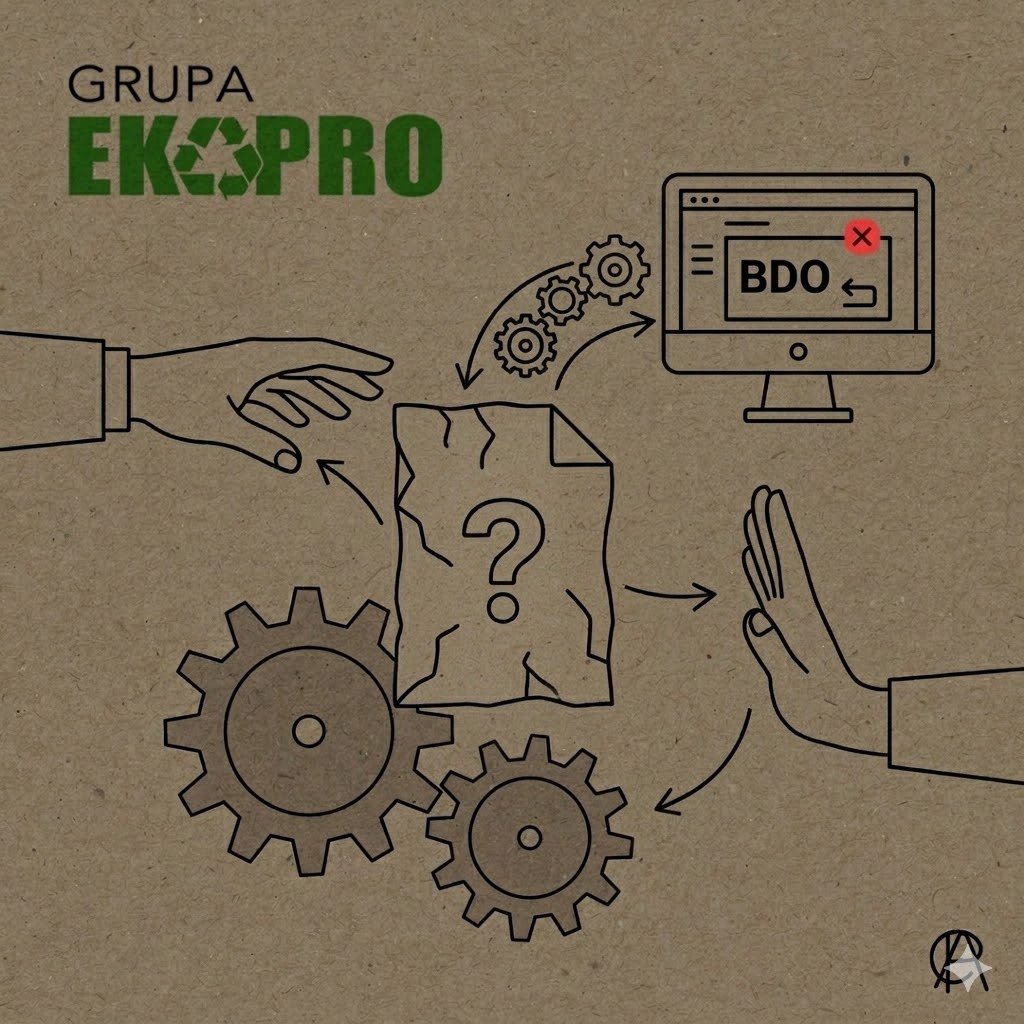
The biggest mistake after a rejected KPO is that the company treats the transport itself as sufficient and tries to „close the subject” in the records despite the incorrect status of the document. Meanwhile, BDO clearly indicates that a rejected KPO that has not been corrected cannot be recorded. Only after correction and re-confirmation of receipt by the recipient can the card be correctly recorded in the KEO. From a workflow point of view, this means that any rejected KPO should immediately go on the short list of urgent matters: determining the cause, deciding whether to correct or make a new card, retransferring to the recipient and only then updating the records. Such an approach saves chaos in monthly and annual billing, because rejected KPOs left „for later” very quickly turn into a problem for the entire waste documentation.
Can a rejected KPO be recorded in KEO?
No. A KPO with a status of „rejected” must be corrected and resubmitted to the transferee; without this, it cannot be registered.
What can be corrected on a rejected KPO?
The transferor may correct the waste code, waste type and weight.
Can the vehicle registration number be corrected on a rejected KPO?
No. In this case, a new KPO must be issued with the correct data and the reason for issuing another card must be described.
What to do if the consignee rejects the KPO due to incorrect weight?
Correct the weight according to the information from the transferee and resubmit the card for approval.
Once the KPO has been approved, can anything else be improved?
No. Once the transferee has confirmed that the waste has been taken over, it is not possible to make an adjustment on this card.
If you want to check that your company's rejected KPOs are being corrected correctly and that the waste records do not contain errors due to unsealed cards, it is worth sorting this out before the problem spreads to the entire settlement. Details can be found under Contact page there, you can describe your situation and match the scope of support to the real problems in BDO.

 Polski
  English (UK)
  Deutsch
  Українська