
Waste management in the medical and pharmaceutical industry
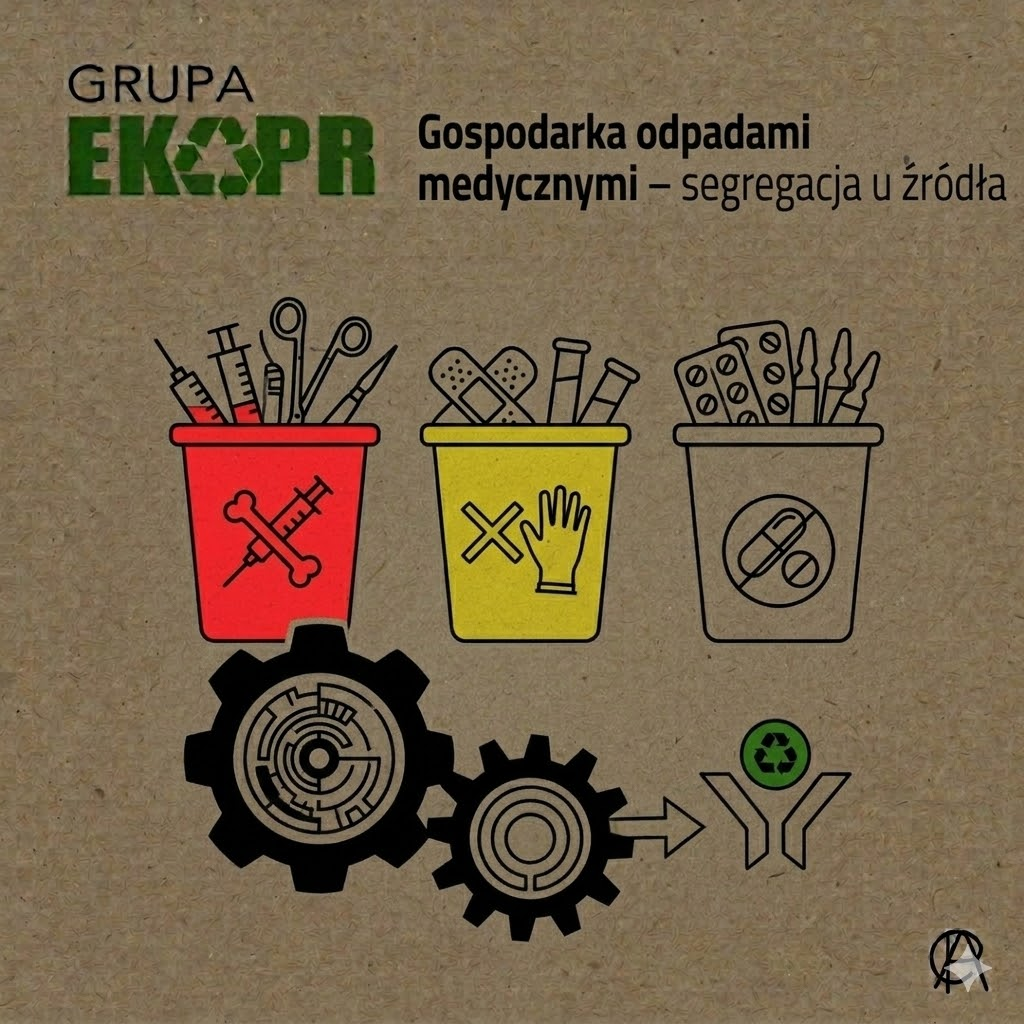
In the medical and pharmaceutical industry, waste management is not a side administrative obligation, but an element of real legal, sanitary and organisational safety. This is where misclassification of waste or improper handling can mean not only a problem in record-keeping, but also epidemiological and control risks. BDO medical waste is a topic that affects a much wider range of entities than many entrepreneurs assume: not only hospitals, but also outpatient clinics, doctors' and dentists' surgeries, treatment facilities, laboratories or some pharmaceutical outlets. Official sources make it clear that if medical waste is involved in the activity, the entity must be on the BDO register and the waste records are kept electronically. For many facilities, the biggest problem is not the obligation itself, but the correct identification of which waste is infectious, which is hazardous other than infectious, and which should be included as other medical or pharmaceutical waste.
What wastes in medicine and pharmacy cause the most problems?
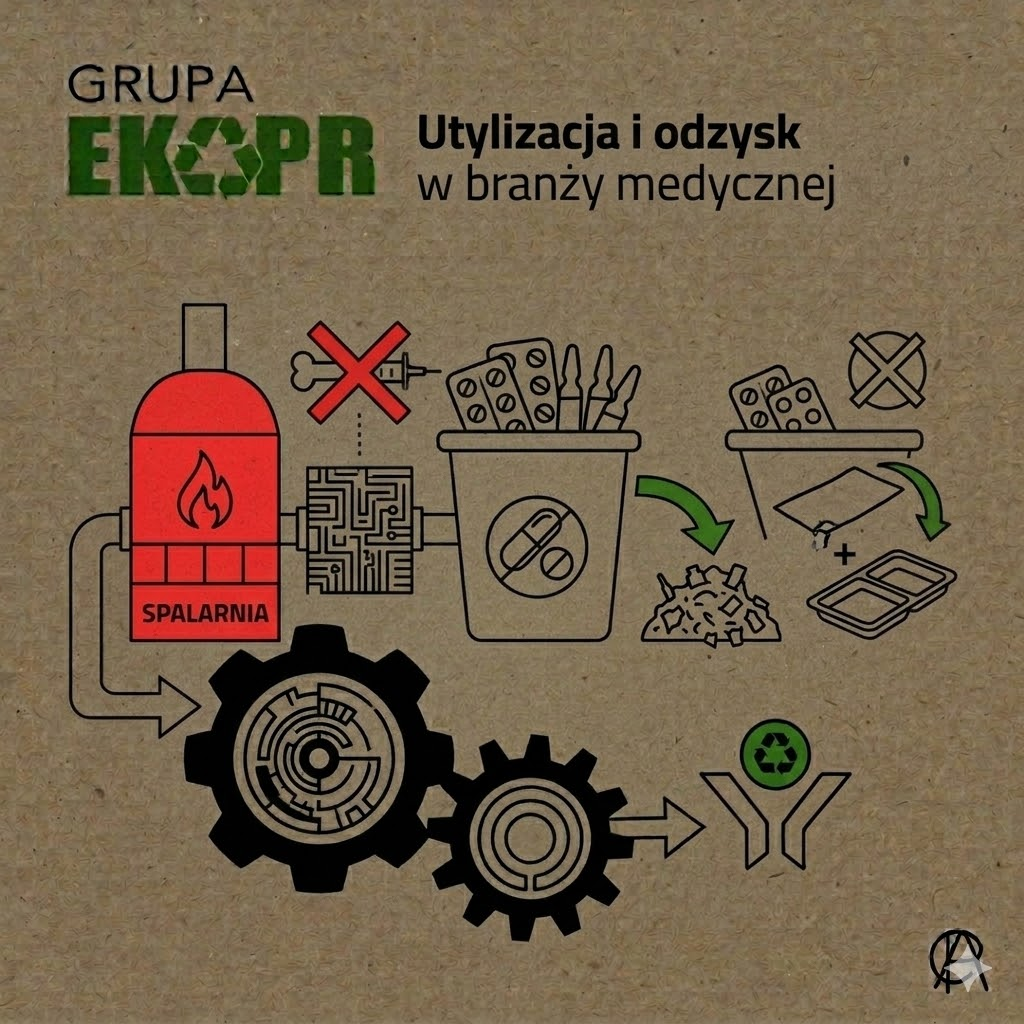
Most errors occur with waste codes. In the current waste catalogue and interpretation material, the code that appears as crucial for medical facilities is the code 18 01 03*, denoting infectious medical waste, and the asterisk symbol denotes hazardous waste. In practice, it is this code that covers waste requiring special care and a special disposal route. In contrast, the following code is very often used for medicines 18 01 09, used for medicines other than those listed in the hazardous waste groups. This is of great importance to surgeries and clinics that store preparations past their expiry date, but also to pharmacies and other pharmaceutical operators arranging for their disposal. In practice, the biggest risk does not come from the presence of the waste itself, but from misassignment of the code, mixing infectious waste with other streams or treating expired medicines as normal municipal waste.
How to properly handle infectious waste and expired medicines?
The rules for handling medical waste are described in the current regulation of the Minister of Health of 5 October 2017, which regulates how to deal with waste generated on site. In practice, it is very important for medical facilities to collect waste correctly from the start: sanitary sources indicate that red is used for infectious waste, yellow for non-infectious hazardous waste, and other than red and yellow for non-hazardous waste. This is not just a matter of backroom organisation, but an element of compliance with procedures. In addition, infectious medical waste is, as a rule, disposed of by thermal treatment in hazardous waste incinerators, which shows how far this stream deviates from normal corporate waste. In the case of out-of-date medicines, businesses need to ensure that they are legally transferred to the correct recipient and correctly recorded, rather than trying to solve the subject on an ad hoc basis.
Why should medical and pharmaceutical facilities be particularly vigilant about BDOs and reporting?
In this industry, even a small facility can enter into an area of obligations that are much more stringent than in a regular office or shop. BDO medical waste requires not only entry and ongoing record-keeping, but also a timely annual report. The medical community is regularly reminded that healthcare providers are required to submit an annual report on waste generated and waste management by 15 March for the previous year, and when the deadline falls on a bank holiday, it moves to the first working day. For clinics and practices, the biggest challenge is usually the combination of sanitary and waste requirements: correct code, correct container, correct records, transfer to an authorised entity and consistent accounting in BDO.
Does medical waste need to be reported in BDO?
Yes. If medical waste occurs in the activity, as hazardous waste the entity must be in BDO and keep records electronically.
What is the code for infectious waste?
The most commonly indicated code for infectious medical waste is 18 01 03*. An asterisk indicates hazardous waste.
What is the disposal of expired medicines?
Expired medicines should not be disposed of in the regular rubbish. They should be handed over to the appropriate collection and disposal system; the records here often show the code 18 01 09 for the relevant group of medicines.
How to segregate medical waste in a facility?
Official guidelines indicate: red for infectious waste, yellow for hazardous non-infectious waste and another colour for non-hazardous waste.
By when must a waste report be submitted?
As a general rule, by 15 March for the previous year, and if this date falls on a holiday, the deadline is postponed to the first working day.
If you run a GP surgery, practice or pharmacy business and want to make sure your infectious waste, expired medicines and BDO records are being kept correctly, it's worth sorting out this area before an audit or reporting error occurs. For details, see Contact page there, you can describe your activities and match the scope of support to the real responsibilities of the organisation.

 Polski
  English (UK)
  Deutsch
  Українська