Corporate environmental self-control
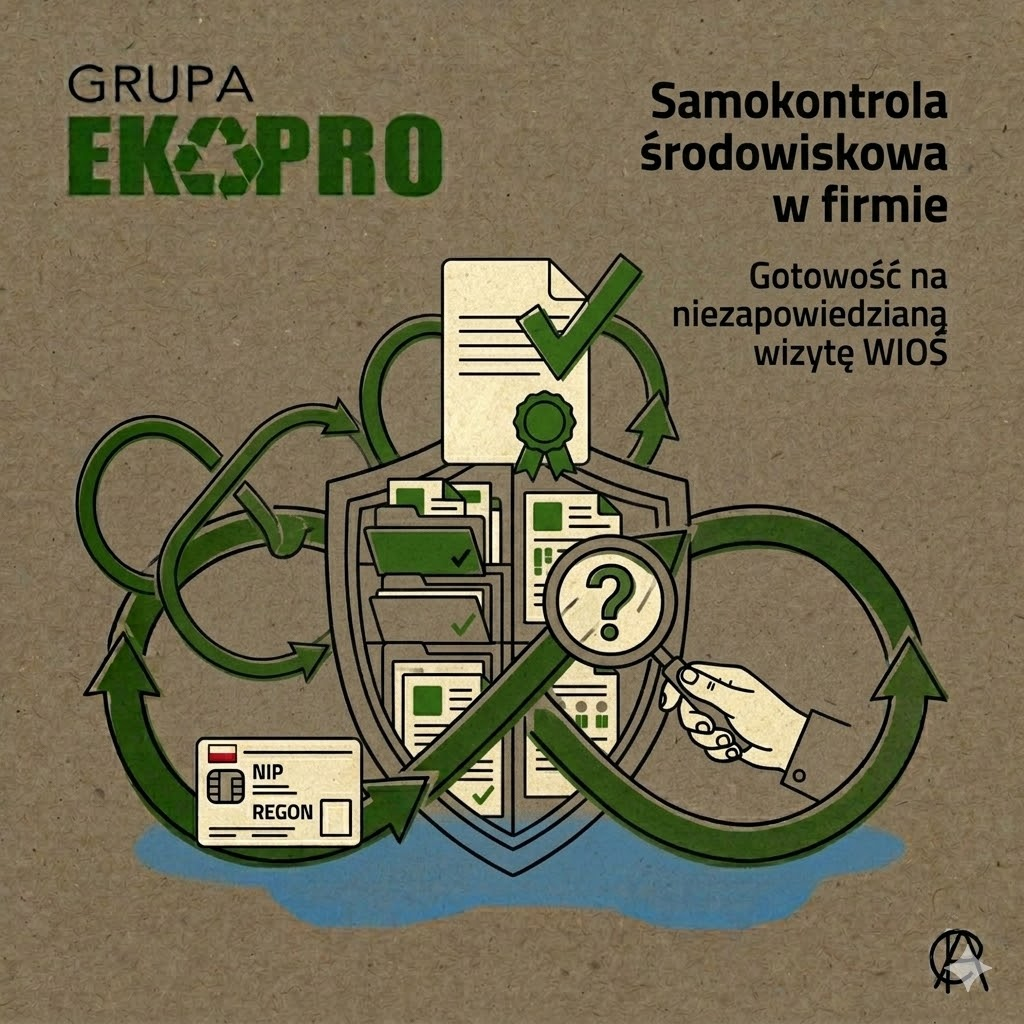
The biggest mistake entrepreneurs make is to treat an inspection by the Inspectorate of Environmental Protection as an exceptional event, for which they can prepare only after receiving a signal from the authority. In practice, this approach is sometimes risky, as the Environmental Protection Inspectorate also carries out non-scheduled inspections, and the inspectors„ powers include, among others, entering the property, facility or parts thereof, carrying out visual inspections, assessing the functioning of installations and equipment, and demanding written or oral information and presentation of documents. This is why environmental self-inspection should act like an internal review of a company's readiness: not for the sake of ”pretty binders', but so that facts, documentation and environmental obligations speak with one voice. The sooner the entrepreneur detects non-compliance himself, the less risk there is that an inspection body will do so.
Start with documentation that proves the legality of the operation
The first step of the self-audit should be to collect and verify all documents that show on what basis the company uses the environment. In practice, this includes permits, notifications, environmental decisions, registration entries, waste records, reporting, settlement confirmations and internal procedures. The control powers of the WIOŚ include the ability to request the production of documents and access to data related to the activity of the entity using the environment, so the company should not limit itself to assuming that „something is in the accounting” or „an external office has it”. A good self-audit involves checking not only that the document exists, but also that it is up to date, corresponds to the actual activity and was produced on time. It is at this stage that old decisions, out-of-date registration data, lack of continuity of records or documents that formally exist but do not cover the company's current mode of operation most often come out.
Compare the paperwork with the facts in the plant
The second stage is even more important: it is necessary to check whether what the inspector sees on site agrees with the documentation. The VIO has the authority to inspect facilities, installations and equipment, so tidiness in the documents is not enough if the facts show otherwise. The self-inspection should therefore cover waste storage sites, labelling, the way records are kept, the technical condition of environmental protection equipment, the organisation of waste, emissions and wastewater circulation and the compliance of the location and scope of activities with administrative decisions. In practice, the greatest risks arise where a company has changed processes, warehouse layout, waste types or emission sources over the years, but has not updated its documentation. An unannounced inspection reveals particularly easily just such discrepancies between „what's on paper” and „what's on site”.
Establish a procedure for the day of the inspection before the inspection takes place
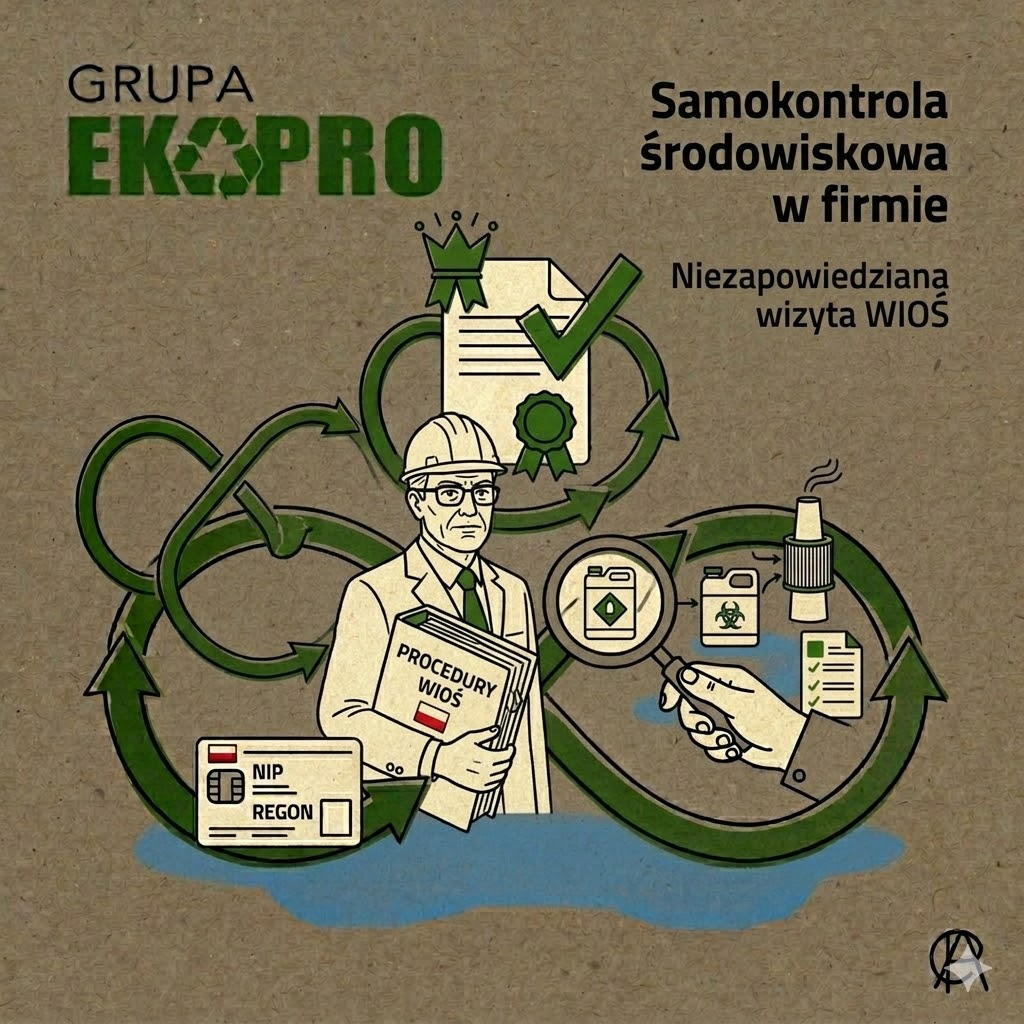
An effective self-inspection does not end with a list of deficiencies. The company should establish, even before a possible visit, who represents the plant at the inspection, where key documents are located, who is responsible for providing information and what the fast track to the inspector looks like. The materials on the inspection rules show that the inspector starts after showing his/her authorisation and legitimacy and can then immediately proceed to inspection and requesting of documents. This means that organisational chaos itself becomes a risk: even if the company has most of the documents, but no one can quickly point them out and explain them, the inspection goes much worse. Therefore, the best self-control model is a cyclical review: documents, facts, internal responsibilities and a list of corrective actions. This is where an environmental audit or external review gives the most value, because it allows you to look at the company through the eyes of an inspector before the WIOŚ does.
Can the WIOŚ carry out an unannounced inspection?
Yes. The Environmental Inspectorate carries out not only scheduled inspections, but also non-scheduled inspections.
What can a WIOŚ inspector check at a company?
Among other things, it can enter the site, carry out visual inspections, assess the operation of installations and equipment and request documents and information related to the use of the environment.
Where to start with environmental self-management?
It is best to start with a review of the documentation: permits, notifications, records, reports and registration data, and then compare them with the actual state of affairs at the plant. This is a conclusion based on the scope of the WIOŚ's inspection powers.
Is tidying up the paperwork enough before an audit?
No. The inspector can also check the actual operation of installations, equipment and storage areas, so the documents must be factually correct.
Who should represent the company during the inspection?
The company should designate in advance a person responsible for contacting the inspector and making documents available quickly, as the inspection can start immediately on presentation of the authorisation and ID card.
If you want to check whether your company is ready for an unannounced visit from the Inspectorate of Environmental Protection and whether the documentation really corresponds to what is happening in the plant, it is worth carrying out a self-inspection before the inspection authority does so. For details, see the tab Contact page there, you can describe your situation and match the scope of support to the real environmental risks of your company.

 Polski
  English (UK)
  Deutsch
  Українська