SUP directive in 2026 and new bans
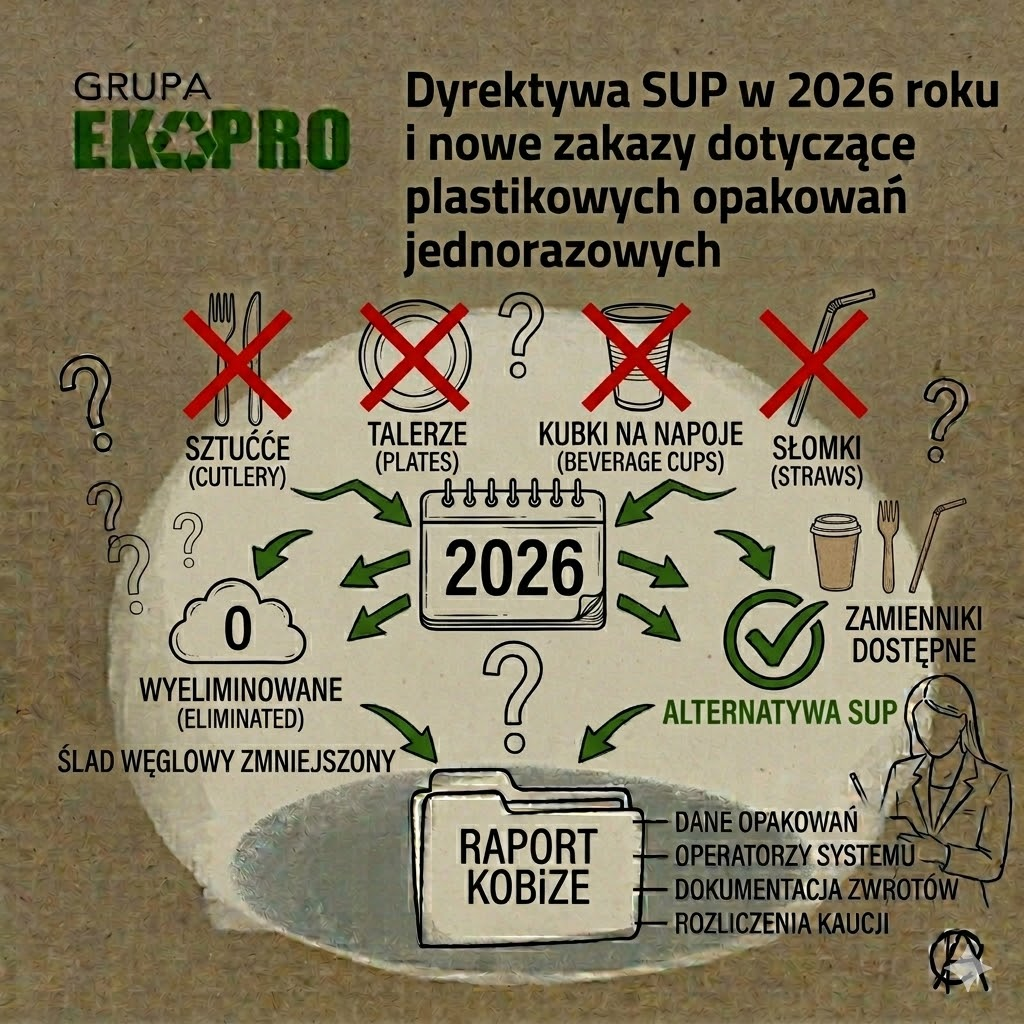
In Poland, 2026 does not mean one new landmark date from which all single-use plastic packaging will suddenly disappear. The real picture is more complex. The most important bans resulting from the implementation of the SUP Directive are already in place: from 24 May 2023, among other things, parts of single-use plastic products such as cutlery, plates, straws, stirrers, chopsticks, products made of oxo-degradable plastics and containers and cups made of expanded polystyrene may not be placed on the market. From 1 July 2024, further market obligations have arrived, including charges to consumers for selected single-use plastic packaging. In 2026, companies must therefore primarily operate in an environment where SUP bans are already in place and the market is further cleaned up by the deposit system and the new EU packaging legislation.
What is already prohibited under the SUP and what can still be used?
The biggest misconception is that many companies equate SUP with a total ban on all single-use plastic packaging. This is not the case. The bans apply to selected products for which the legislator has recognised that practical alternatives are available. European Commission and Polish official sources indicate that the ban includes, among others, food and beverage containers and cups made of expanded polystyrene, as well as some other single-use plastic products. In contrast, a number of other single-use packaging products are still allowed on the market, but are subject to additional restrictions or costs, such as consumer fees, information obligations or recyclate share requirements. A good example is single-use plastic beverage bottles, which have not been banned, but for them there is an obligation for an appropriate recycled content: at least 25% from 2025 and 30% from 2030.
What realistically changes in 2026 for companies using single-use packaging?
In 2026, the market is mainly affected by the full implementation of the previous reforms. Firstly, this is the first full year of operation of the universal deposit system, which covers single-use plastic bottles up to 3 litres, metal cans up to 1 litre and reusable glass bottles up to 1.5 litres. This is not a ban on the sale of such packaging, but a very clear change in the model of how they function in the market. Secondly, from an EU perspective, further elements of the PPWR are coming into effect. The European Commission indicates that from August 2026, packaging will not be allowed to contain PFAS above certain limits. This is an important signal especially for manufacturers and importers of food, catering and retail packaging, as 2026 becomes the year of transition from merely limiting single-use to a deeper assessment of the material composition of packaging. However, it is important to be precise: the broad EU bans on some formats of single-use PFAS packaging will continue to be implemented in phases, and not all of them will already take effect in 2026.
How do you prepare your business for the SUP and subsequent packaging restrictions?
The safest approach in 2026 is not to wait for the „next ban”, but to audit the entire single-use packaging portfolio. A company should check which products are already covered by the ban, which are subject to SUP fees and obligations, which are entering the deposit system and whether the materials used will comply with the new EU requirements. This is particularly important for catering, shops, importers and private label brands, which often operate on the borderline of several regulatory regimes at the same time. From a practical point of view, 2026 is a good time to simplify the single-use packaging portfolio, reduce expanded polystyrene, review the plastics used in food contact packaging and prepare for further requirements under the PPWR. The biggest risk today is not that a company does not know a single regulation, but that it looks at the SUP, the deposit system and the new packaging regulations as three separate topics, while the market already treats them as one package of changes.
Are new bans on all single-use plastic packaging coming in 2026?
No. The most important SUP bans in Poland are already in place as of 24 May 2023. In 2026, companies are mainly operating under the conditions of already implemented bans, the bail-in system and new EU requirements entering in stages.
Which single-use plastic products are already banned?
Among others, some products made of oxidegradable plastics, cutlery, plates, straws, stirrers and containers and cups made of expanded polystyrene.
Are plastic drinks bottles banned?
No, but they are subject to other requirements, including the share of recycled plastics and a deposit system for specific packaging.
What's new about packaging changes from August 2026?
European Commission indicates that from August 2026 there will be restrictions on PFAS in packaging
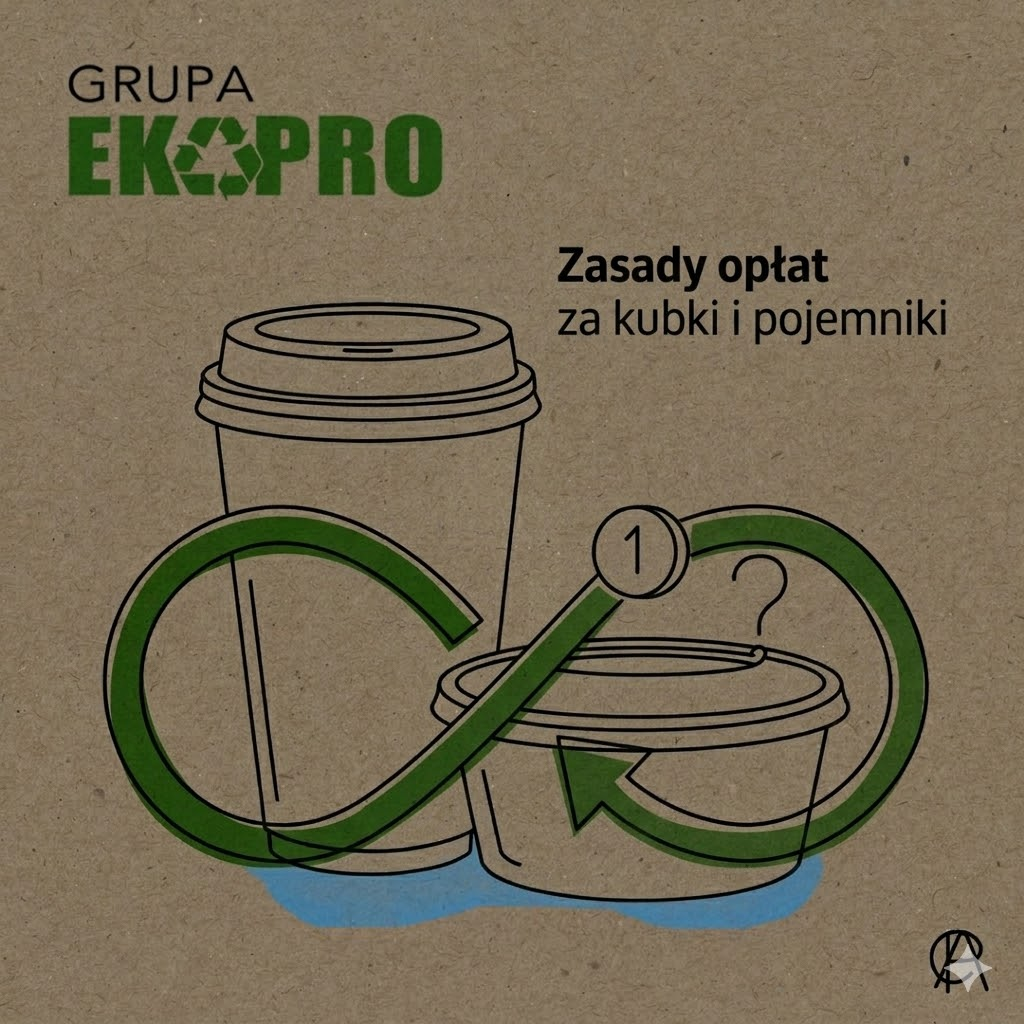
Can disposable cups and containers still be subject to charges?
Yes. There are consumer charges for selected single-use plastic packaging in Poland, in addition to bans on some products themselves.
If you want to check that the packaging used in your company complies with the current SUP requirements and will also be safe in light of the EU changes in 2026, it is worth reviewing this before problems arise with your offer, sales or environmental clearance. For details, please see Contact on the site where you can describe your products and match the scope of support to your company's real responsibilities.

 Polski
  English (UK)
  Deutsch
  Українська